
If water’s spreading across your floor right now, here’s the short answer you came for: your Arizona homeowners insurance often does cover water damage, but usually only when the damage is sudden and accidental, like a burst pipe or an overflowing water heater. Floodwater coming in from outside and slow leaks you left alone are a different story, and they’re often not covered at all. So does Arizona homeowners insurance cover water damage? Often yes, sometimes no, and the difference comes down to how the water got in.
That line between sudden and gradual is the whole game with a claim. Once you know which side of it you’re on, you’ll know what to expect from your insurer. Let’s walk through it calmly, with Glendale and the West Valley in mind.
The one distinction that decides your claim
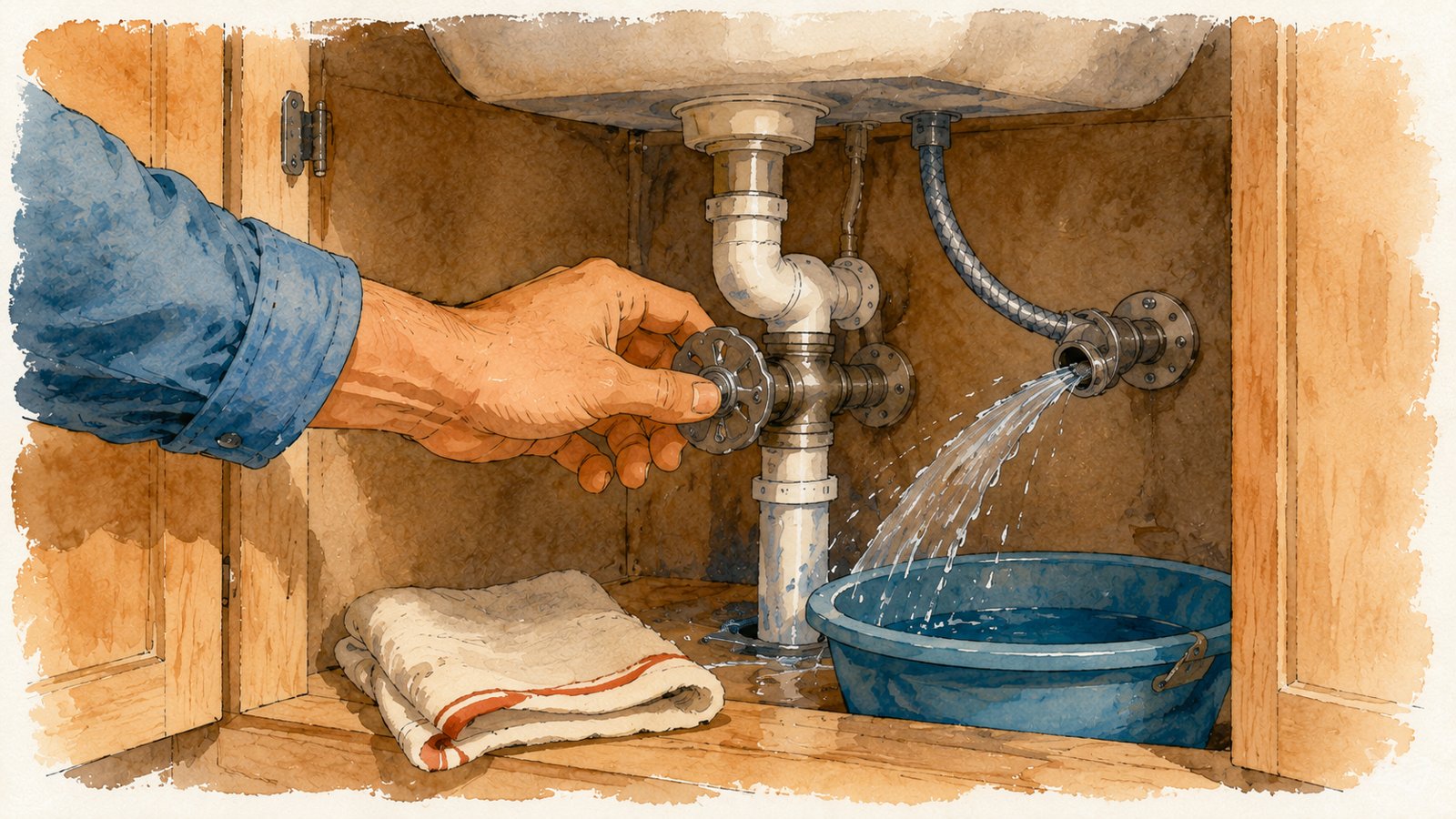
Most standard homeowners policies in Arizona are built to cover water damage that’s sudden and accidental. Think of a pipe that bursts overnight, a supply line to the fridge that lets go, or a water heater that splits open in the garage. You didn’t see it coming and you couldn’t have stopped it, so the resulting damage to your floors, drywall, and belongings is commonly covered.
The flip side is gradual damage. If a sink has been dripping behind the cabinet for months, or a shower has been seeping into the subfloor for a season, insurers tend to treat that as a maintenance problem, not an accident. That kind of slow, ignored leak is one of the most common reasons a water damage claim gets denied.
So the question your adjuster is really asking isn’t just what got wet. It’s whether the damage happened all at once or crept up over time.
What Arizona homeowners insurance usually covers
Coverage always depends on your specific policy, but for most West Valley homeowners, standard coverage commonly includes water damage from these kinds of events:
- A burst or frozen pipe that fails suddenly
- An overflowing appliance like a washing machine, dishwasher, or water heater
- A sudden supply line or plumbing break inside a wall
- Water used to put out a house fire
- Rain that gets in because wind or hail suddenly opened up your roof
In these cases, your policy often helps pay to dry the home, tear out ruined materials, and repair the damage, usually after your deductible. Many policies also cover the cleanup itself, not just the visible destruction. This is exactly why a fast, well documented response matters, and it’s a big part of what we help Glendale homeowners sort out.
What’s usually not covered
Here’s where a lot of homeowners get surprised. Even a good policy has clear gaps, and in Arizona a few of them come up again and again:
- Outside flooding. Water that rises up from the ground and flows into your home is almost never covered by a standard policy. More on this below, because it’s the big one here.
- Slow leaks and seepage that built up over weeks or months
- Damage blamed on poor maintenance or neglect
- Sewer or drain backups, unless you added a specific endorsement for it
- Mold, in many policies, especially when it grew from a leak you didn’t address
None of this means you’re out of options. It just means the path runs through a different kind of coverage, a policy add on, or your own repair budget. Reading your declarations page before anything goes wrong is the cheapest insurance move you’ll ever make.
Flood is the big Arizona exception
This is the part every West Valley homeowner should burn into memory. Standard homeowners insurance does not cover flood damage. If you want protection from rising or flowing outside water, you need a separate flood policy, most often through the National Flood Insurance Program, or the NFIP.
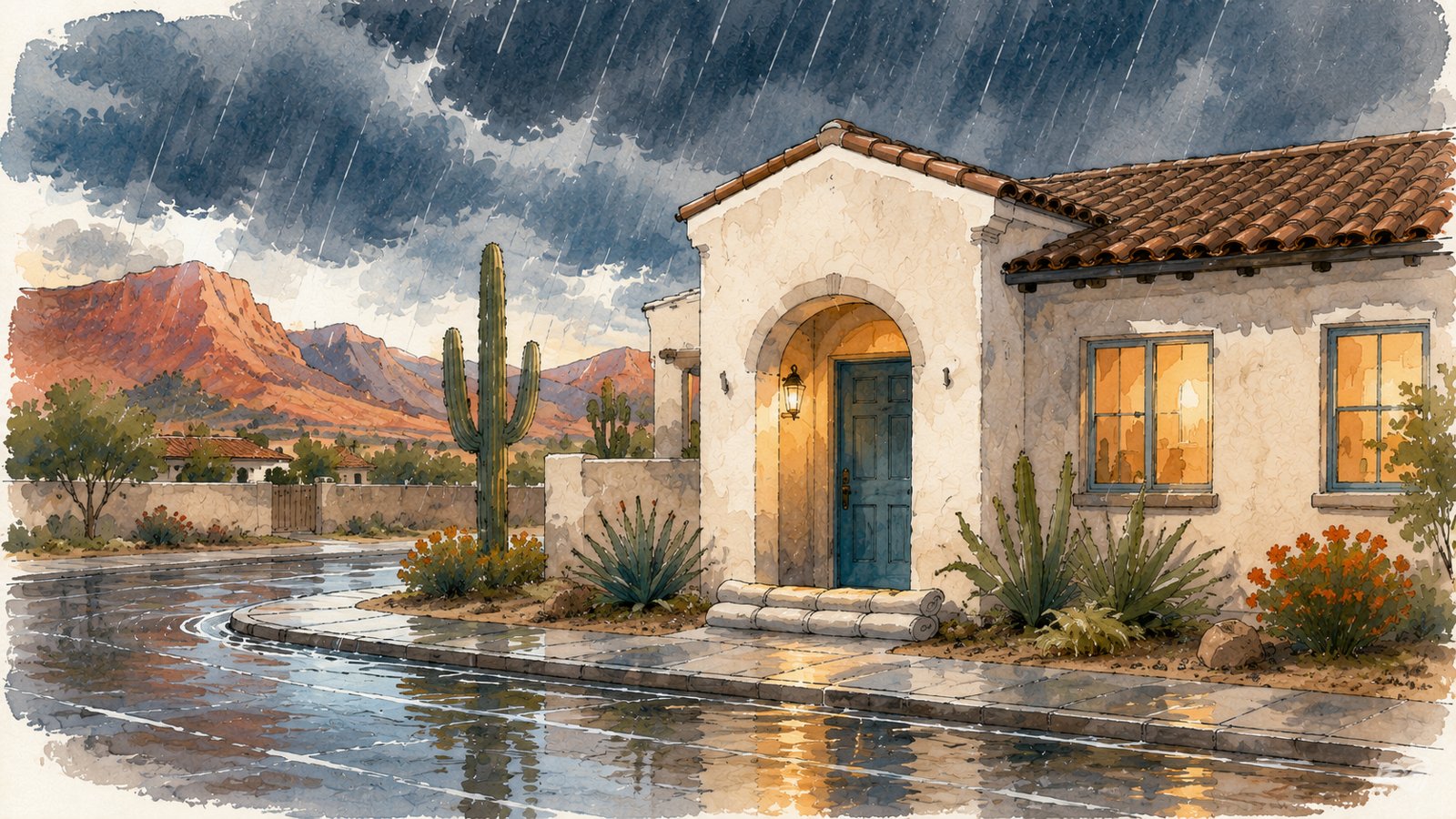
Arizona makes this trickier than people expect. Our hard, sun baked desert ground doesn’t soak up a sudden downpour. During a strong monsoon storm, that water pools fast and runs across the surface, and when it flows into a home it’s classified as flooding. That puts it squarely in the excluded column of a standard policy, even though it fell as ordinary rain an hour earlier.
Two things worth knowing about flood coverage. First, it protects your structure and, on most policies, your belongings, though the exact limits vary, so check your own policy. Second, and this one catches people every summer, there’s typically a 30 day waiting period before a new flood policy takes effect. If you’re near the New River or Skunk Creek washes, or anywhere water pools on your street, this is a decision to make well before monsoon season, not during it.
Monsoon roof leaks: the coverage gray area
Monsoon storms create a coverage question that sits right on the sudden versus gradual line. Here’s the general rule most insurers follow. If wind or hail suddenly damages your roof and rain gets in through that new opening, the water damage inside is often covered as storm damage. That’s a sudden, accidental event.
But if rain gets in through an old, worn, or poorly maintained roof, the same insurer will often deny it. In their eyes, the roof was already failing. Arizona’s brutal sun ages the underlayment beneath the tiles faster than people realize, and that underlayment, not the tile you see, is the real waterproof layer. When heat and UV wear it out, monsoon rain finds its way through.
The takeaway: keep up with roof maintenance and keep records of it. A recent inspection or repair receipt can be the difference between a covered claim and a denied one.
A real world West Valley example
Picture a homeowner near 67th Avenue and Bell Road. A July monsoon rolls through and they wake up to a stained, sagging bedroom ceiling, panicked and assuming the worst.
If the storm’s wind lifted a section of tile and tore the underlayment, letting rain pour into a sudden opening, that damage is often covered. If instead the inspection shows the underlayment had simply worn out over years of Arizona heat, the insurer may call it wear and tear and deny it. Same ceiling, same storm, very different outcome, all decided by that one sudden versus gradual distinction.
The homeowner who photographed the ceiling right away, called a restoration pro to stop the spread, and could show a roof inspection from the previous year was in a far stronger position than the one who waited a week and hoped it would dry on its own.
Common mistakes that get claims denied
Most denied claims aren’t denied because the homeowner did anything wrong on purpose. They’re denied because of a few avoidable missteps:
- Waiting to report it. Most policies require prompt notice. A delay gives the insurer room to argue the damage got worse because you sat on it.
- Doing nothing to stop the spread. Your policy almost certainly includes a duty to mitigate, meaning you’re expected to take reasonable steps to prevent further damage. Shutting off the water and getting the area drying counts.
- Throwing out ruined items before they’re documented. Photograph everything first.
- Assuming it’s not covered and never filing. When you’re unsure, report it and let the adjuster decide.
- Ignoring small leaks until they become big ones, which quietly turns a covered accident into an excluded maintenance problem.

How to protect your claim
If you’re dealing with water damage right now, a calm, orderly response protects both your home and your claim:
- Stop the source if you safely can, usually by shutting off the water at the fixture or the main.
- Take clear photos and video before you move or remove anything.
- Call your insurer to report the loss and ask what your policy needs from you.
- Start reasonable cleanup and drying to meet your duty to mitigate, and keep the receipts.
- Bring in a licensed restoration pro to extract water and dry the structure properly, since Arizona heat can grow mold in as little as 24 to 72 hours.
- Keep a simple file: photos, receipts, your claim number, and notes from every call.
That last point is why speed matters so much in our climate. The faster the home is dried out, the smaller the damage and the cleaner the claim.
Key takeaways
- Standard Arizona homeowners insurance often covers sudden and accidental water damage, like a burst pipe or overflowing appliance.
- Slow leaks, neglect, and wear and tear are usually not covered.
- Outside flooding is excluded from standard policies and needs separate flood insurance, often with a 30 day waiting period.
- Monsoon roof leaks are often covered if a storm suddenly opened the roof, but denied if the roof was already worn out.
- Report fast, document everything, and dry the home quickly to protect your home and your claim.
Frequently asked questions
Does Arizona homeowners insurance cover monsoon damage?
Often yes, for the wind and hail side. Sudden roof damage from storm wind or hail, and the rain that gets in through that new opening, is commonly covered. Water that pools on the ground and flows into your home is treated as flooding and usually isn’t.
Is a burst pipe covered by homeowners insurance?
Usually yes. A pipe that bursts suddenly is a classic covered event, and standard policies commonly pay to dry the home and repair the damage after your deductible. A pipe that had been leaking slowly for a long time is more likely to be treated as a maintenance issue.
Do I need separate flood insurance in Glendale?
If you want protection from outside floodwater, yes, because your standard policy won’t cover it. Homes near washes or low spots where monsoon water pools are worth insuring, and it’s a decision to make before the season since flood policies commonly take about 30 days to kick in.
Why was my water damage claim denied?
The most common reasons are gradual damage from a slow leak, lack of maintenance, an excluded cause like flooding, not enough documentation, or waiting too long to report and mitigate. Read the denial letter closely, review your policy, and you can often ask for a second look with better documentation.
Glendale AZ Water Damage is a water damage information and lead request service. We’re not a licensed restoration contractor, and this article is general information, not professional restoration, insurance, or health advice. Coverage varies by home, policy, insurer, and situation, so a licensed local pro and your own insurer should assess your specific case.
If your home’s taking on water, don’t wait it out. The sooner it’s dried, the less damage you’ll face and the stronger your claim will be. Call for fast 24/7 help or reach out through our homepage, and see our services for how we help Glendale homeowners get calm and dry again.