
If you just walked in on water spreading across your floor, dripping through the ceiling, or pooling under a sink, take a breath. You can limit the damage, and you do not have to handle it alone. This guide walks you through exactly what to do first, and how water damage restoration in Glendale, AZ works, so you can act fast and protect your home.
Water damage gets worse by the hour, and in the Arizona heat it can turn into mold in as little as 24 to 72 hours. The faster you get the water out and the area dried, the less it costs and the more of your home you save. Here’s where to start.
What to do first when you find water damage
Work through these steps in order. If anyone is in danger, or the water is deep or near electrical outlets, get everyone out and call for help before touching anything.
- Stay safe. If water is near outlets, appliances, or your electrical panel, don’t walk through it. Shut off power to the affected area at the breaker only if you can reach it safely and dryly. When in doubt, stay out and wait for a pro.
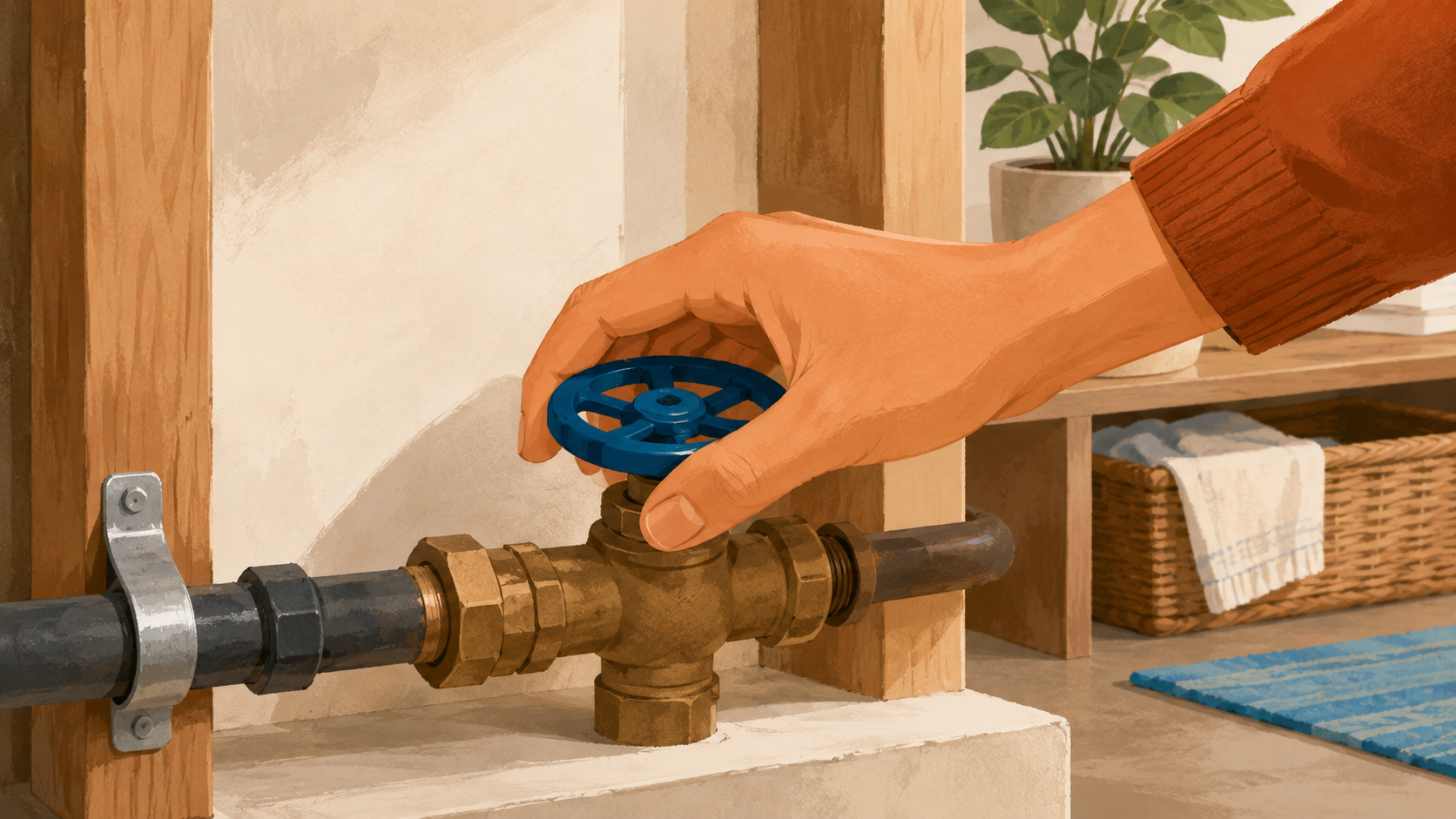
- Stop the water at the source. If it’s a burst or leaking pipe, shut off your home’s main water valve. For a leaking water heater or appliance, close its supply line. Stopping the flow is the single most important thing you can do.
- Call for help. Water damage is an emergency, so reach out to a local Glendale restoration pro right away, 24 hours a day. They can extract the water and start drying before it spreads deeper into floors, walls, and framing.
- Document everything for insurance. Before you move or throw anything out, take clear photos and videos of the water and the damage. Note when it started and what caused it. This protects your claim.
- Start removing water if it’s safe. Mop, towel, or use a wet vacuum on standing water. Move furniture and valuables to a dry area. Lift curtains and rugs off wet floors. Don’t use your regular vacuum on water.
Why acting fast matters in the Arizona heat
Here in Glendale and across the West Valley, our climate cuts two ways. Our dry air helps materials dry out, but our heat speeds up mold. Once things are wet, mold can begin to grow within 24 to 72 hours, and it spreads fast in warm, damp spaces behind walls and under floors.
That’s why the clock matters. Every hour that water sits, it soaks deeper into drywall, baseboards, cabinets, and subflooring. What starts as a small leak can become warped floors, ruined drywall, and a mold problem if it’s left alone. Quick extraction and professional drying are your best protection.
Common causes of water damage in Glendale homes
Knowing the usual culprits helps you spot trouble early. In Glendale and the West Valley, most calls come from a handful of sources.
- Burst or leaking pipes. Older plumbing and hard water can wear pipes down over time, and a failed line can flood a room quickly.
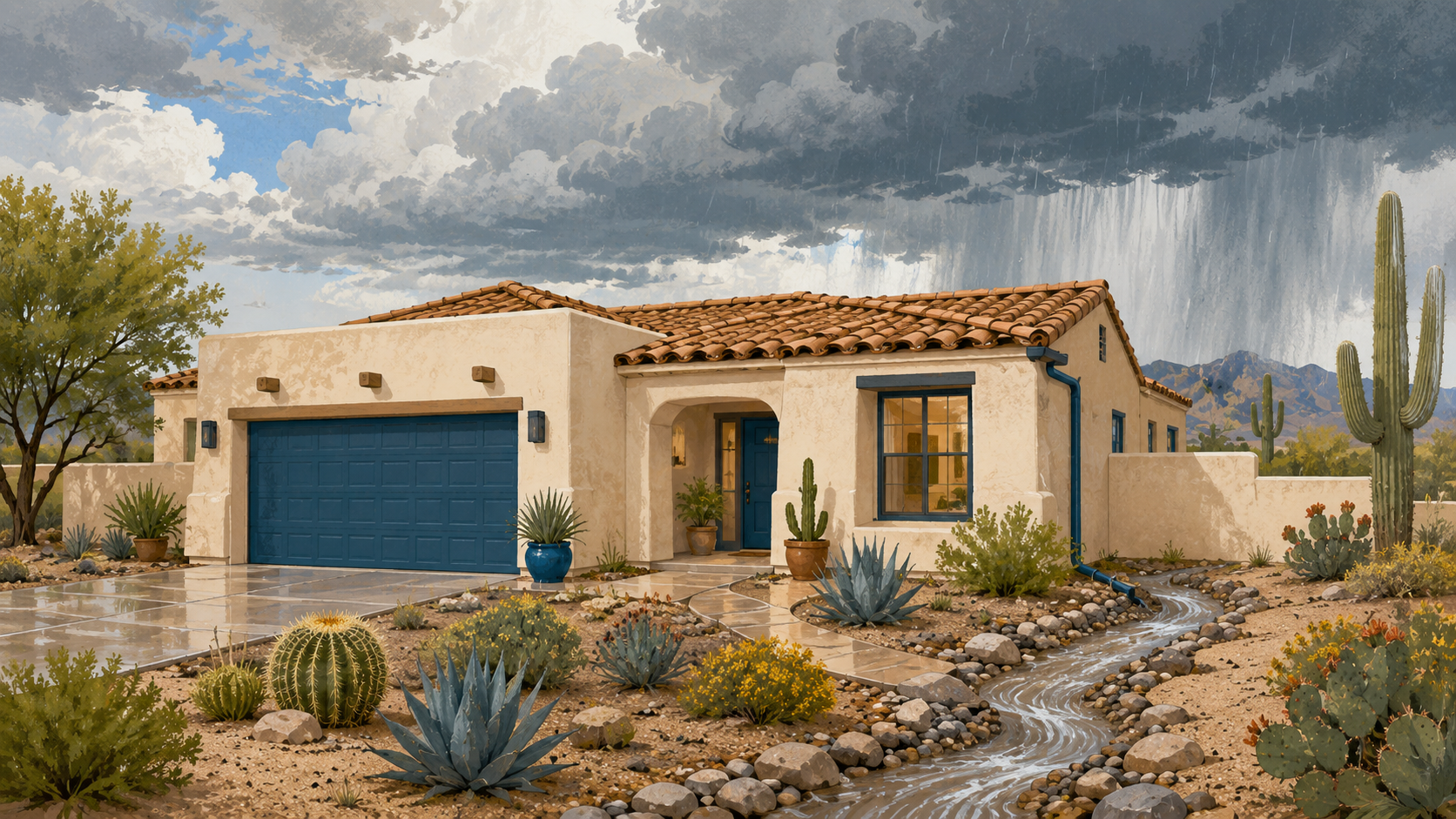
- Monsoon storms. From roughly July through September, monsoon season brings flash flooding, wind driven rain, and roof damage that lets water pour in. A single storm can overwhelm drainage in minutes.
- Roof and ceiling leaks. Sun baked roofing and storm damage often show up as a water stain or a sagging spot on the ceiling.
- AC condensation leaks. Our air conditioners run hard for months, and a clogged condensate line can quietly drip water into walls and ceilings all summer.
- Water heater and appliance failures. A leaking water heater, dishwasher, or washing machine can release a lot of water fast.
- Slab leaks. A leak under the concrete slab can go unnoticed until you see warm floors, a jump in your water bill, or damp spots.
- Sewage backups. These involve contaminated water that needs special handling, so leave this one to a pro.

What a water damage restoration company does
Professional restoration is more than mopping up. When you call for water damage restoration in Glendale, AZ, a trained crew follows a clear process to dry your home the right way and stop hidden damage.
First, they inspect the damage and use moisture meters to find water you can’t see, including inside walls and under floors. Next, they extract standing water with powerful pumps and vacuums. Then they set up fans and dehumidifiers to dry the structure completely, because surface dry isn’t the same as dry. Finally, they clean, sanitize, and handle repairs so your home gets back to normal. Many also help you document the damage for your insurance claim.
A quick example from a Glendale home
Picture a family in Glendale who came home from a summer trip to a soaked hallway. A supply line behind the washing machine had failed while they were away, and water had spread into two rooms. Because they shut off the main valve, photographed everything, and called a local crew that night, the water was extracted and drying equipment was running within hours. The floors and most of the drywall were saved. Waiting until morning could have meant tearing out both rooms and dealing with mold. Fast action made the difference.
Does homeowners insurance cover water damage in Arizona?
It often does, but it depends on the cause. Sudden and accidental water damage, like a burst pipe or an appliance overflow, is commonly covered by Arizona homeowners policies. Monsoon wind or hail damage to your roof that lets rain in is also frequently covered.
Flooding from outside, such as rising water or flash flood water entering your home, is usually not covered by a standard policy and needs separate flood insurance. Gradual leaks that were ignored over time can also be denied. Coverage varies by policy, carrier, and situation, so confirm the details with your own insurer. A good restoration pro can document the damage properly to support your claim.
Common mistakes to avoid
- Waiting to see if it dries on its own. It usually doesn’t, and the delay lets mold and rot set in.
- Only drying the surface. Water hides in walls and subfloors. If it isn’t fully dried, you can get mold weeks later.
- Throwing everything out before you document it. Photograph the damage first so your claim holds up.
- Handling sewage or deep water yourself. Contaminated water and standing water near power are safety risks. Let a pro handle those.
Protect your home before the next storm
A few simple habits lower your risk. Know where your main water shutoff is so you can act fast. Have your roof checked before monsoon season, clear debris so water drains away from the house, and service your AC so the condensate line stays clear. Check the supply lines behind appliances once a year, and consider a water leak alarm near the water heater and washing machine. Small steps now can save you a major cleanup later.
Key takeaways
- Stay safe first, then stop the water at its source.
- Call a local Glendale restoration pro right away, because water damage worsens by the hour.
- Document everything before you clean up, for your insurance claim.
- In the Arizona heat, mold can start in 24 to 72 hours, so fast, thorough drying matters.
- Insurance often covers sudden water damage, but flooding usually needs a separate policy.
Frequently asked questions
How fast should I act after finding water damage?
Right away. Water spreads within minutes and mold can begin within 24 to 72 hours in our heat, so the sooner the water is extracted and the area is dried, the less damage and cost you face.
Can I clean up water damage myself?
You can handle small, clean spills by mopping and drying quickly. For anything larger, or any sewage or standing water near electrical, it’s safer and more effective to call a professional who can find hidden moisture and dry the structure fully.
How much does water damage restoration cost in Glendale?
It depends on how much water there is, how far it spread, and what needs drying or replacing. A small leak costs far less than a whole flooded floor. A local pro can inspect the damage and give you a clear estimate before any work begins.
Will my home smell like mold after water damage?
Not if it’s dried properly and quickly. A musty smell is a sign that moisture is still present, which is exactly why thorough professional drying matters.
Get fast, local help
Water damage in your Glendale home is stressful, but you have a clear path forward. Stay safe, stop the water, document it, and get a trusted local pro on the way. Glendale AZ Water Damage is a water damage information and lead request service. We are not a licensed restoration contractor, and this article is general information, not professional restoration, insurance, or health advice, so a licensed local pro should assess your specific situation. If you need help now, call for fast 24/7 service or reach out through our homepage and we’ll connect you with a trusted local restoration pro.