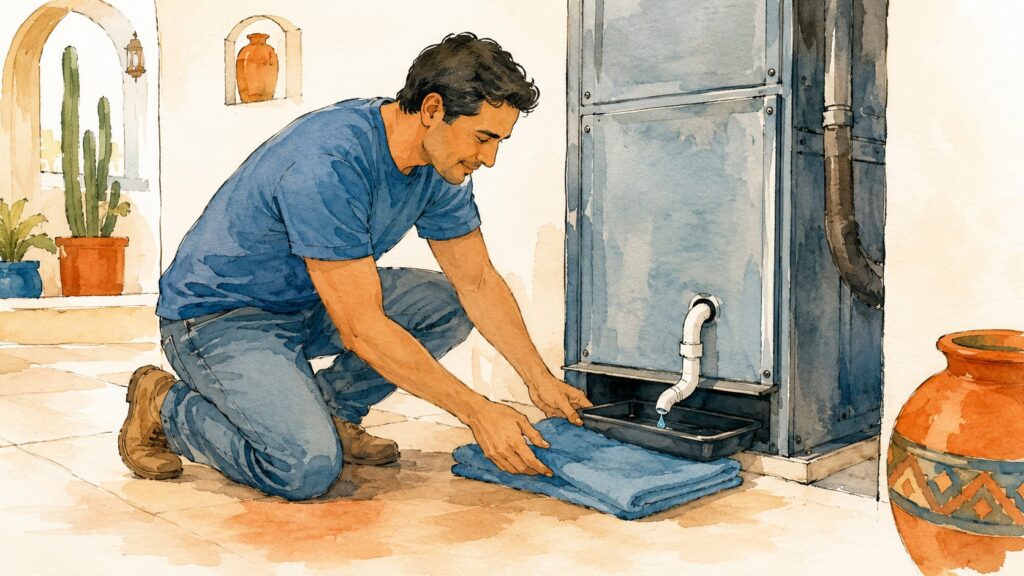
It usually starts with a stain. A soft brown ring on the hallway ceiling, right under where the air handler sits in the attic, or a damp patch spreading across the drywall next to the closet unit. You didn’t spill anything, no pipe burst, and the roof is fine. So where’s the water coming from? In a Glendale summer, the answer is very often your air conditioner.
When it’s 110 degrees out and your AC runs almost around the clock, the system pulls a surprising amount of moisture from your indoor air. A typical home unit can wring 5 to 20 gallons of water out of the air on a hot day. All of that is supposed to drain safely outside. When it doesn’t, you get an ac condensation leak water damage problem, and in the West Valley heat a small drip can turn into a soggy ceiling fast.
Here’s the reassuring part. This is one of the most preventable and fixable water problems a Glendale home can have. Let’s walk through why it happens and what to do about it.
Why your AC makes so much water
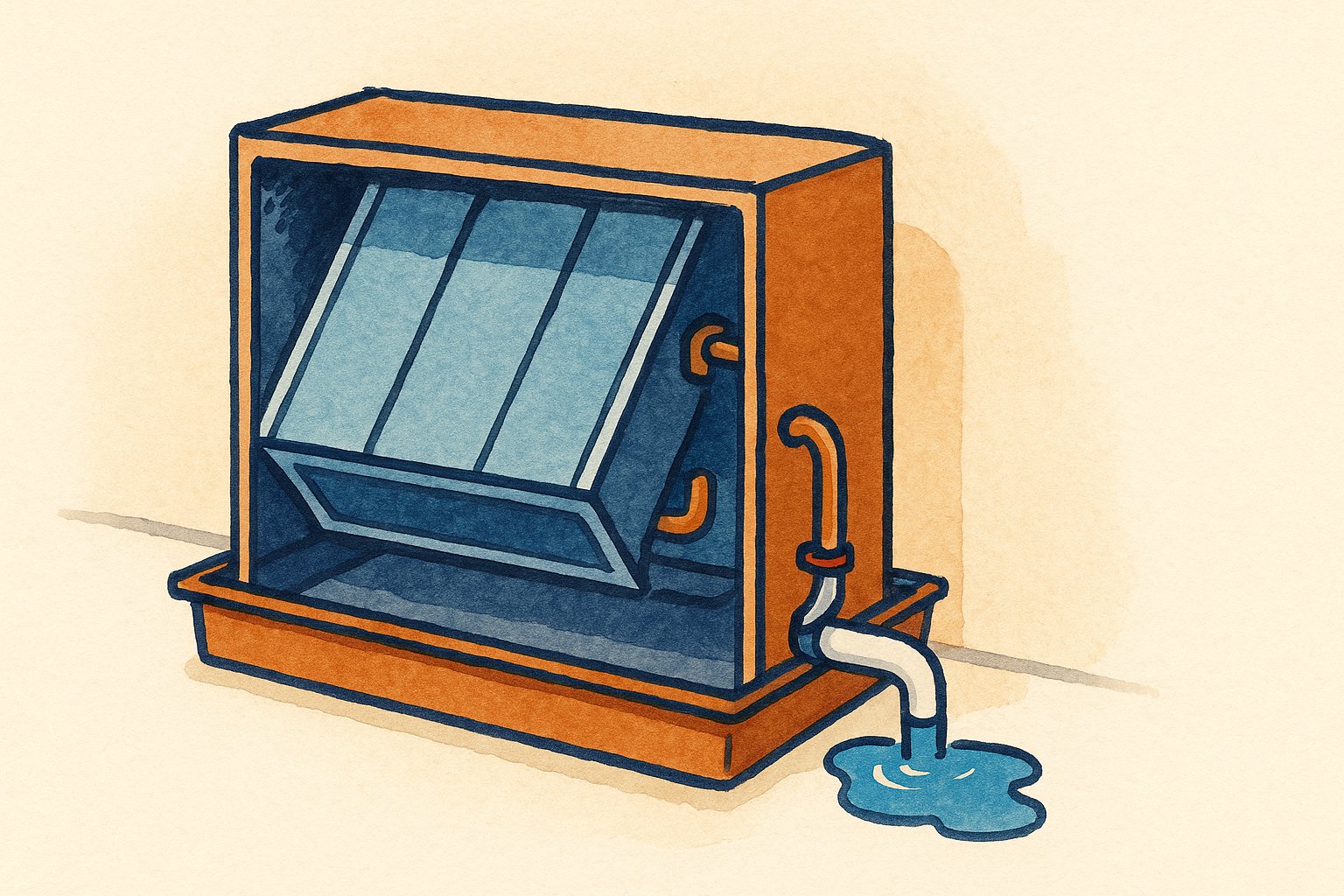
Your air conditioner doesn’t just cool the air, it dries it. Warm indoor air passes over the cold evaporator coil, and moisture condenses on it, like water beading on a cold glass of iced tea in July.
That condensation drips into a shallow tray called the drain pan, then flows out through a narrow white pipe, the condensate drain line. You’d never notice it on a normal day. The line is dark, damp, and narrow, though, so algae and slimy buildup grow inside and eventually plug it. Once it clogs, the pan fills, then overflows, and where that water lands is the difference between a minor annoyance and real damage.
What causes an AC condensation leak
Most indoor AC leaks in Glendale homes trace back to a few causes, and knowing which one you’ve got tells you whether it’s a quick fix or a call to a pro.
- A clogged condensate drain line. By far the most common cause. Dust and biofilm build up until water backs into the pan and spills over. If the line’s never been cleared, suspect this first.
- A cracked or rusted drain pan. The pan corrodes or cracks with age and can’t hold water, so it drips straight through. This one usually needs a technician.
- A frozen evaporator coil. A dirty filter or low refrigerant can ice the coil over, and when it melts it dumps more water than the pan can handle at once. If your AC runs but barely cools, look here.
- A dirty filter or bad install. A choked filter invites the freeze up above, and a drain line set at the wrong slope can leak on its own.
Signs of AC condensation leak water damage
The earlier you catch it, the less it costs. Watch for these, especially during the hottest stretch of summer:
- Water pooling around the base of the indoor air handler in the closet, garage, or attic
- A brown or yellow stain on the ceiling below an attic unit
- Damp or bubbling drywall near the unit or on the wall below it
- A musty, mildew smell drifting from your vents
- A gurgling sound near the unit, or the AC shutting itself off
That last one can be a good sign. Many newer systems have a safety switch that shuts the AC down when the pan fills, so it doesn’t flood your ceiling. A tripping switch is often telling you the drain is backing up, so don’t just reset it and walk away.
What to do right now if you find a leak
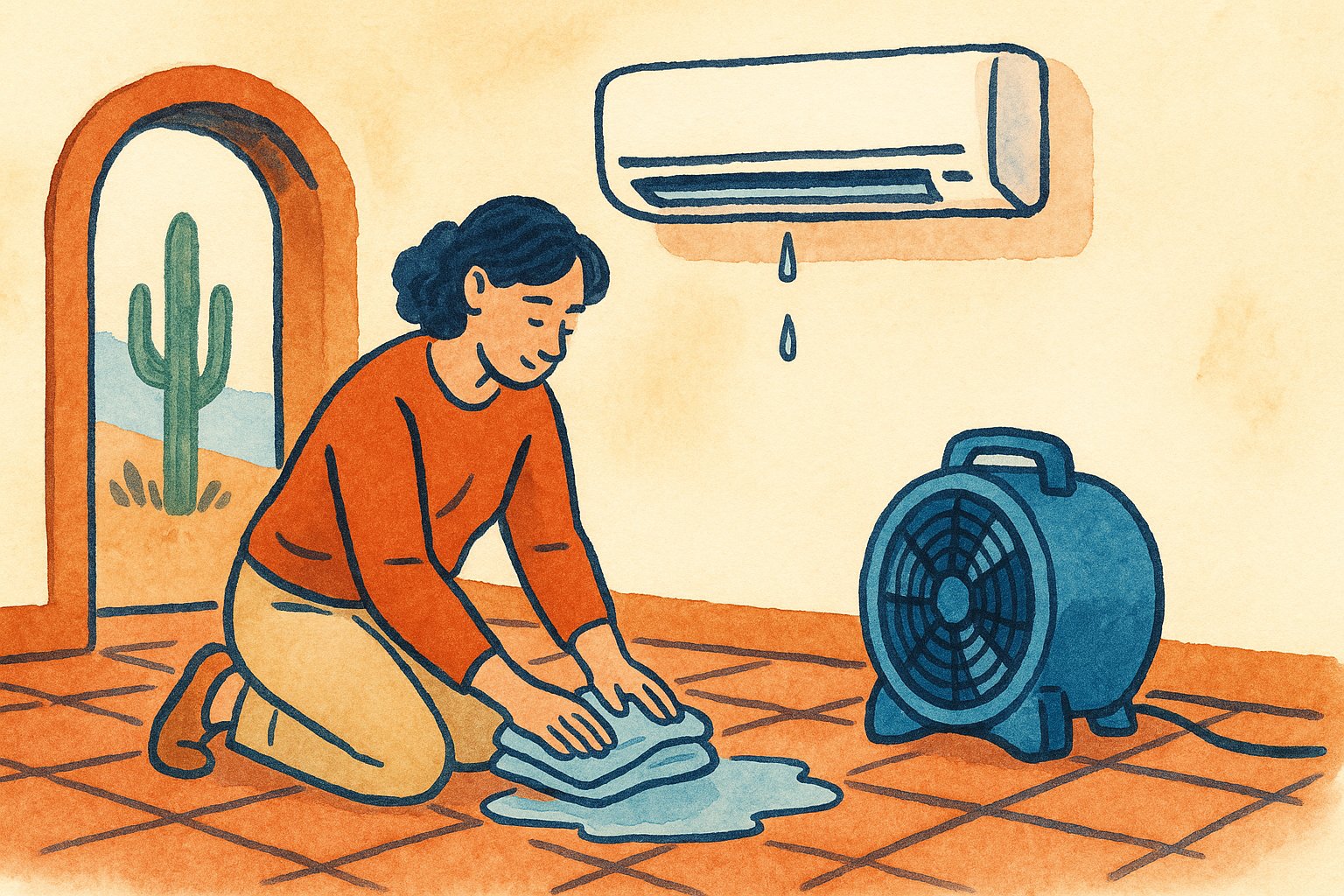
If you’ve spotted water, here’s a calm order of steps. First, turn the system off at the thermostat so it stops making condensation, and flip the breaker for the indoor unit if you can reach it safely. Then soak up the standing water with towels, a mop, or a wet vac. Getting water off the floor, drywall, and belongings quickly is what keeps a small leak from becoming a mold problem.
Look at the drain pan under the unit. If it’s full, you’ve likely got a clogged line, which you can try clearing yourself or hand to a pro. Get air moving on the wet spot with fans and a dehumidifier, because Arizona heat can grow mold in as little as a day or two once drywall stays damp. If water reached a ceiling below an attic unit, don’t ignore the drywall just because the drip stopped, since wet ceilings sag and can hide mold above the paint. Our guide on a roof and ceiling leak after a monsoon storm covers what to check when water comes from above.
How to clear a clogged AC drain line
If your unit’s easy to reach and it’s a simple clog, many Glendale homeowners can handle this. Turn the system off at the thermostat and the breaker first, then find the drain line, a white PVC pipe about three quarters of an inch wide, running out of the air handler. Just past the unit you’ll usually see a T shaped fitting with a removable cap, the cleanout port.
Pull the cap, look for sludge, then pour in about a quarter cup of distilled white vinegar and let it sit around 30 minutes to kill the mold and algae before flushing with a little water. If the line won’t clear, or the leak is a cracked pan or a frozen coil, call a professional.
Common mistakes to avoid
- Resetting the safety switch again and again. If the AC keeps shutting off, clear the drain, don’t override the warning.
- Ignoring the filter. A clogged filter is a top cause of frozen coils and leaks, and it’s the cheapest thing to fix.
- Assuming a dried stain means it’s over. The surface can look dry while the drywall behind it stays wet.
- Pouring bleach into an older system. It can corrode a metal pan or old copper fittings, so vinegar is the safer choice.
- Waiting to see if it happens again. With the AC running nonstop in July, a slow drip never pauses.
A quick West Valley example
Picture a two story home near 67th Avenue and Bell Road with the air handler in the attic. The owners came back from a weekend away to a coffee colored stain on the hallway ceiling and a faint musty smell.
The AC had run the whole weekend in 108 degree heat. The condensate line had slowly clogged over the season, the pan overflowed, and the water worked through the attic insulation into the ceiling drywall. Because they caught it within a couple of days, drying the cavity and clearing the line handled most of it, and only a small section of drywall needed replacing. Catching it early is what saved them the worst of it.
Does insurance cover AC leak damage?
It depends on the cause, and coverage is never guaranteed. Standard Arizona homeowners policies often cover water damage that’s sudden and accidental, like a drain pan that overflows and soaks a ceiling. What they commonly won’t cover is damage from slow leaks or lack of maintenance, so a line that dripped for months may be denied as neglect.
The AC unit itself usually isn’t covered either, only the resulting water damage might be. Every policy differs, so ask your agent about your situation, and photograph the damage before you clean up in case you file a claim.
How to prevent the next AC leak
Prevention here is easy and cheap. A little routine care keeps that condensation flowing where it should:
- Flush the drain line with a quarter cup of distilled white vinegar once a month through cooling season
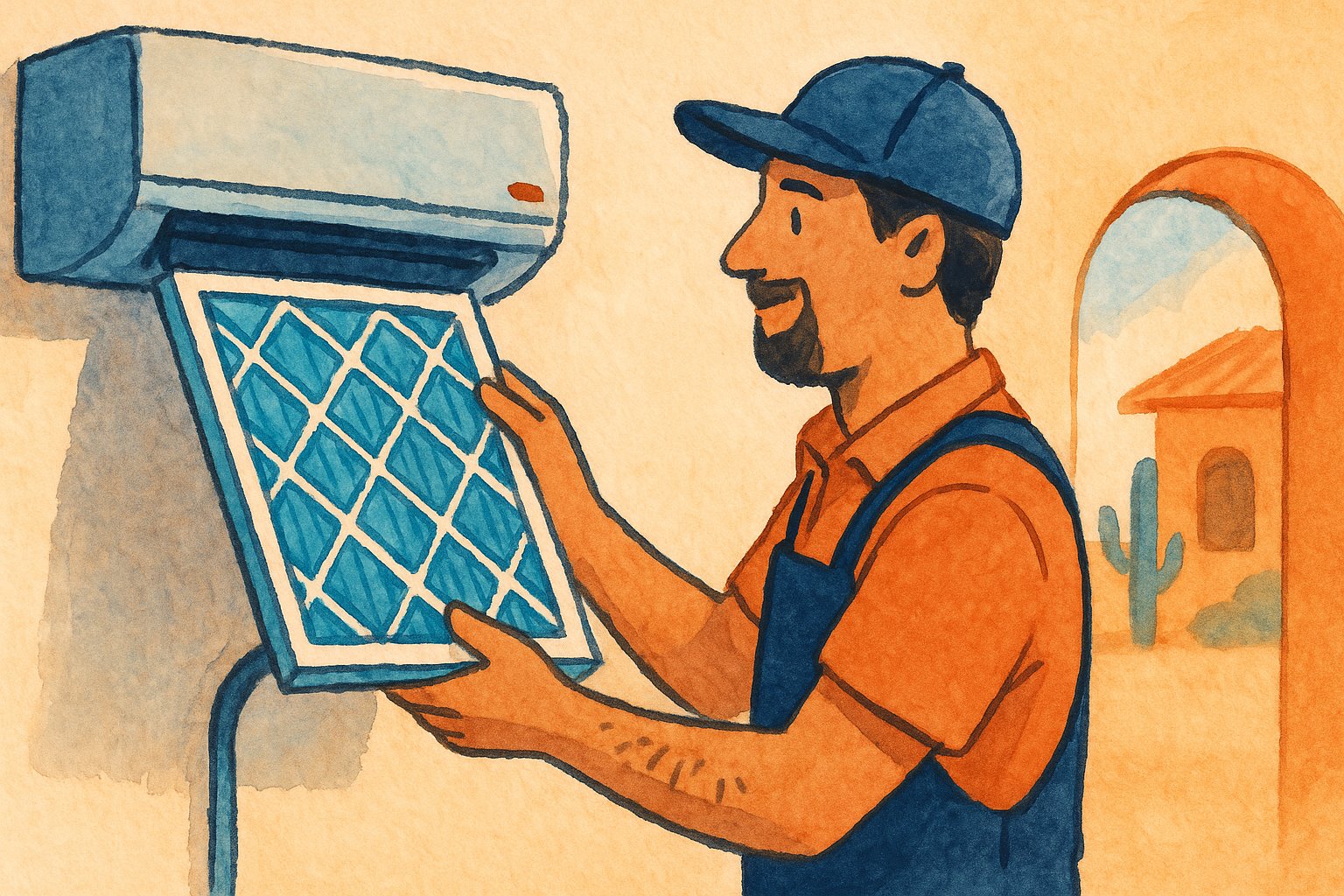
- Change or clean the air filter monthly during the hard summer run, more often with pets
- Book a professional AC tune up in spring so a clog or a tired pan gets caught before summer
- Ask your technician about a drain pan safety switch if your system doesn’t have one
Because the same heat that drives your AC so hard also grows mold fast, staying ahead of moisture matters more here than most places. For that timeline, see our guide on how fast mold grows in Arizona heat.
Key takeaways
- Your AC pulls gallons of water from the air on a hot day, and a clogged drain line is the top reason it ends up on your ceiling
- Watch for pooling water, ceiling stains, musty vent smells, and an AC that keeps shutting off
- If you find a leak, shut the system off, dry the area fast, and check the drain pan
- A monthly vinegar flush and a fresh filter prevent most of these leaks, and quick action beats Arizona mold, which can start within a day or two
Frequently asked questions
Is it normal for my AC to leak water inside the house?
No. Condensation dripping outside from the drain line is normal, but water inside the house, around the unit, or on the ceiling is not. It usually means the drain is clogged or the pan is overflowing, so address it right away.
Can I keep running my AC if it’s leaking?
It’s best to turn it off until the leak is fixed. Running the system keeps making condensation and feeds the same wet spot. Shut it off at the thermostat, dry the area, and clear the drain or call a pro.
How often should I clean my AC drain line in Arizona?
Once a month during cooling season is a good habit in our climate, since the AC runs so long and hard. A quick vinegar flush through the cleanout port keeps algae and buildup from clogging the line. Call a pro if the unit’s in a tight attic, the line won’t clear, or water has already reached your ceiling.
Get help fast in Glendale and the West Valley
An AC leak rarely feels like an emergency at first, but in the Arizona heat a wet ceiling can go from a stain to a mold problem in days. If you’ve found water and aren’t sure how far it spread, it’s worth having someone look. See how we help on our water damage services page, or reach out through our website.
Glendale AZ Water Damage is a water damage information and lead request service for homeowners in Glendale and the West Valley. We are not a licensed restoration contractor, and this article is general information, not professional restoration, insurance, or health advice. Every home and situation is different, so a licensed local pro should assess your specific case. If you’re dealing with an active leak, calling for fast 24/7 help is the quickest way to limit the damage.