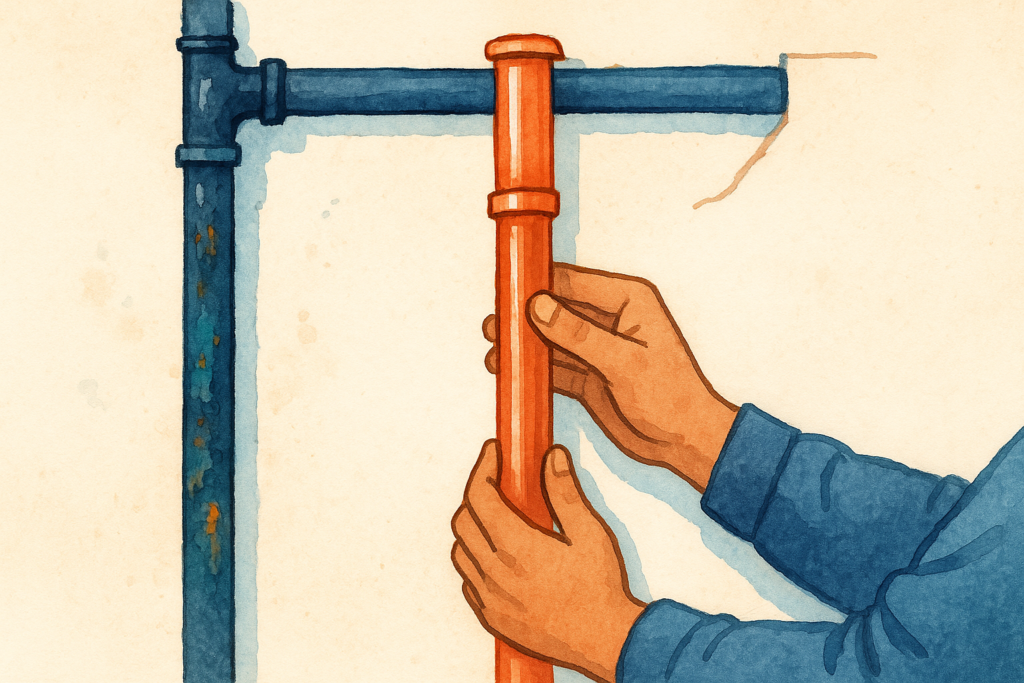
The plumber cut a small square out of the drywall in a Glendale hallway, and there it was: a run of copper pipe with a tiny green crust blooming at one joint, weeping just enough water to soften the wall behind it. The homeowner had no idea. No burst, no flood, no dramatic 2 AM emergency. Just a slow drip that had been going for weeks, fed by the same thing that leaves spots on your dishes and chalk on your showerhead.
That slow, silent failure is what makes hard water so tough on Glendale plumbing. Our tap water here is loaded with dissolved calcium and magnesium, and over years those minerals wear pipes down from the inside. The result shows up as scale, pitting, and eventually leaks you never see coming. If you own a home in Glendale or anywhere across the West Valley, understanding hard water pipe corrosion in Arizona is one of the smartest ways to catch a leak before it soaks your drywall and grows mold in the summer heat.
Why Glendale’s water is so rough on pipes
Phoenix and the surrounding West Valley sit on some of the hardest water in the country. Hardness is measured in grains per gallon, and local supplies commonly test in the high teens, well into the “very hard” range. That water tastes fine and it’s safe to drink. It just carries a heavy load of minerals that your pipes have to deal with every single day.
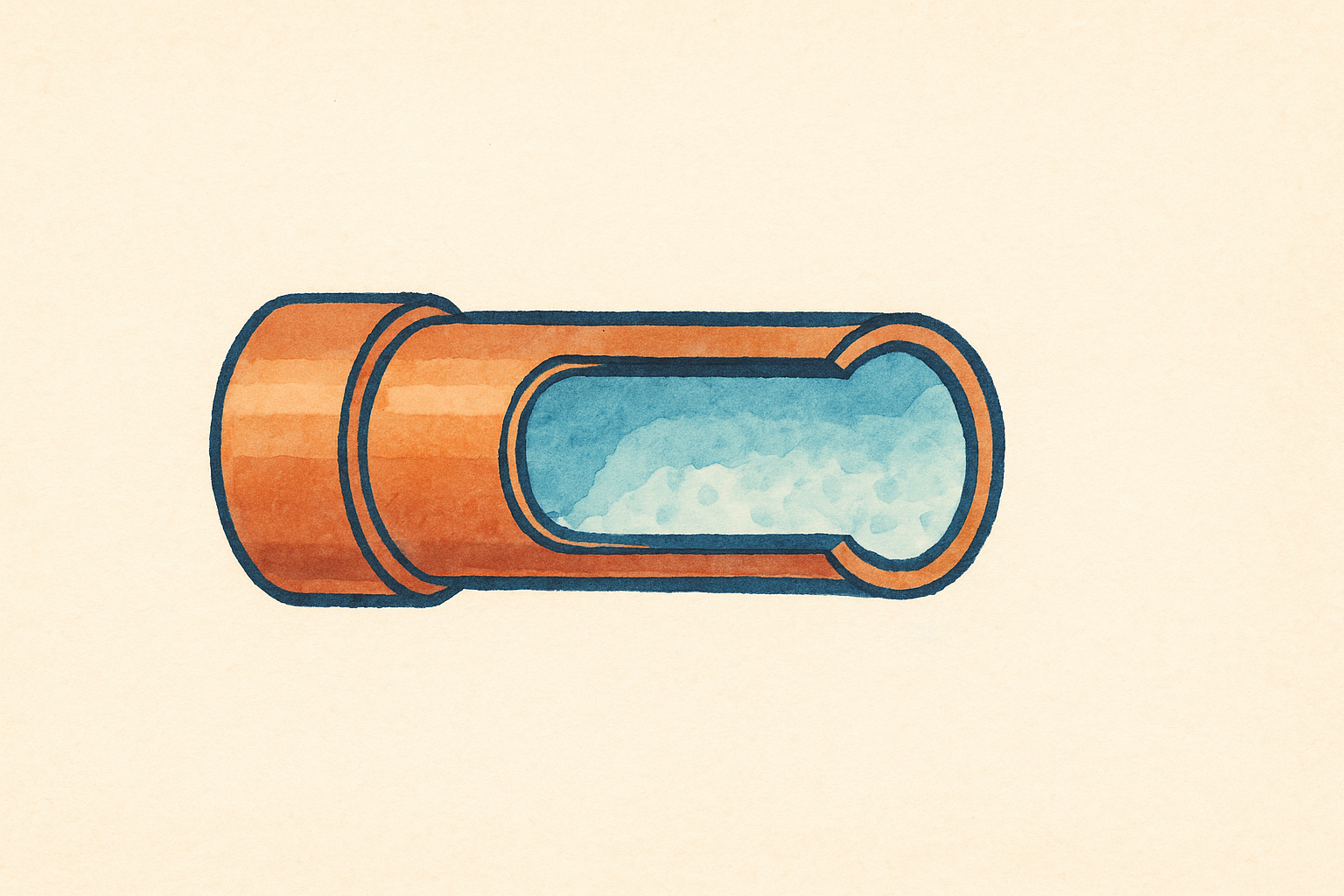
As that water moves through your plumbing, calcium and magnesium slowly drop out and cling to the inside of the pipe. You’ve seen the outside version of this on faucets and glass shower doors. The same crusty buildup, called scale, happens where you can’t see it, deep inside the lines running through your walls and slab.
Over time that scale narrows the pipe, so water squeezes through a smaller opening. That speeds the flow, adds turbulence, and grinds at the pipe wall. In the desert, where homes run water hard through long summers, the wear adds up faster than you’d expect.
How hard water pipe corrosion in Arizona actually happens
Scale might sound protective, like a shell over the pipe. In reality it often traps corrosive water right against the pipe wall in tiny pockets. That trapped corrosion eats at one small spot until it punches all the way through.
In copper lines, that’s how you get a pinhole leak, a hole smaller than the tip of a pen that drips steadily behind a wall or under a floor. Treated city water also carries chlorine compounds that can pit copper from the inside over many years. Add high mineral content and years of Arizona summers, and copper that should last for decades can start failing sooner.
Older homes face a different problem. Houses plumbed with galvanized steel, common in Glendale builds from before the 1990s, rust from the inside as the protective zinc coating wears away. Hard water speeds that rusting, and the mineral buildup traps moisture that keeps the corrosion going. This is the quiet heart of hard water pipe corrosion in Arizona: it works slowly, out of sight, until a stain or a spike in your bill finally gives it away.

Warning signs your pipes are corroding
Corrosion rarely announces itself, but homes drop hints. Knowing them lets you act before a small leak becomes a soaked ceiling. Watch for these:
- Water that comes out with a rusty or brown tint, especially first thing in the morning
- Weak water pressure that has slowly gotten worse over months or years
- Green or blue staining on exposed copper pipes in the garage or under sinks
- A musty smell, a soft spot, or a faint stain on drywall or a ceiling
- A sudden jump in your water bill with no change in how much you use
- The sound of water running somewhere when every faucet is off
That last one is worth taking seriously. A hidden drip can run for weeks, and in the Arizona heat, standing moisture inside a wall can start growing mold in as little as 24 to 72 hours. Catching it early is the difference between drying a small area and tearing out drywall.
Older Glendale homes carry extra risk
If your home was built a few decades ago and still has its original plumbing, you’re in the group most likely to see corrosion problems. Galvanized steel and early copper systems have simply had more years soaking in hard water, and many West Valley neighborhoods from that era are now hitting the age where pipes start to give.
The same conditions that stress your supply lines also stress the pipe buried in your foundation. When corrosion or shifting soil causes a leak under the slab, it’s a different repair with its own signs, like warm spots on the floor or a mysteriously running water meter. If you suspect that, our guide on slab leak repair in Glendale walks through what to look for.
How to slow the damage
You can’t change Glendale’s water, but you can take the pressure off your pipes. A few steps make a real difference over the life of your plumbing.
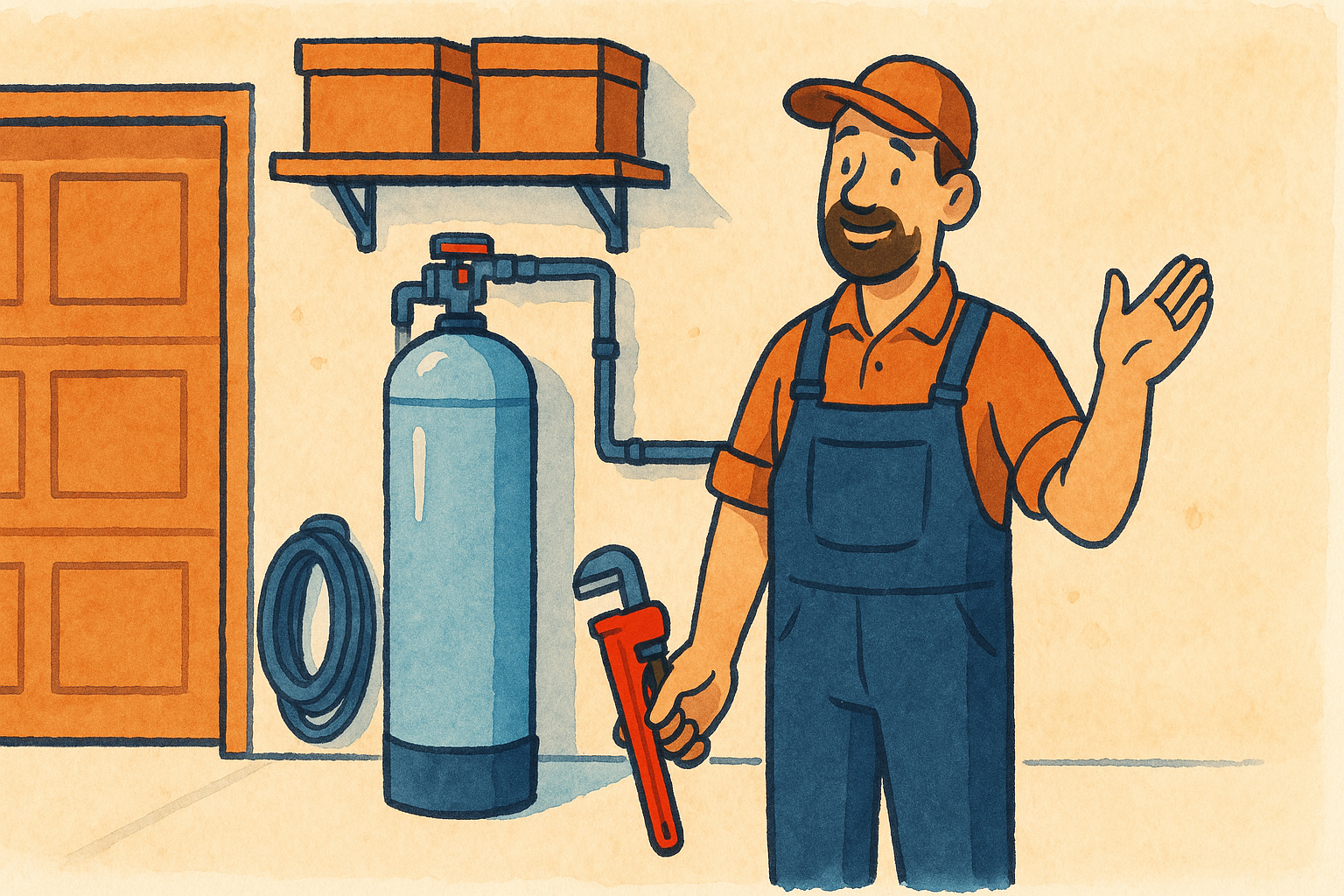
Install a whole home water softener. This is the big one for our area. A softener pulls the calcium and magnesium out before the water reaches your pipes, which cuts down on scale and slows the corrosion that leads to leaks. It protects your water heater and appliances too.
Check your water pressure. Pressure that runs too high pushes water through the pipes too fast and wears them out. A pressure reducing valve keeps things in a safe range, usually around 40 to 60 psi. A plumber can test it, or a cheap gauge from the hardware store lets you check it yourself.
Have an occasional plumbing inspection, especially if your home is older or you’ve noticed any of the signs above. A pro can spot early pitting, test your water, and flag a line that’s on its way out before it fails. If a leak does start, knowing where your main shutoff is and how to close it can save you from a much bigger mess. Our post on what to do when a pipe bursts covers those first crucial minutes.
Common mistakes homeowners make
The most common one is ignoring a slow drip because it seems small. A pinhole leak won’t flood your house today, but it will quietly rot a wall stud, ruin insulation, and feed mold for as long as it runs. Small and slow still does real damage.
Another is patching one pinhole and calling it done. When corrosion shows up in one spot, the rest of that pipe run has usually lived through the same conditions. One repair can buy you time, but if leaks keep popping up in different places, the pipe itself is telling you it’s near the end.
The third is waiting until summer, when the heat turns a minor leak into a mold problem fast. Spot a warning sign in spring, and that’s the time to act, before the monsoon and July heat pile on.
A real Glendale example
Take a family near 67th Avenue and Bell in a home built in the late 1980s. Their water pressure had been fading for a year, and they chalked it up to an old house. Then a faint brown stain appeared on the hallway ceiling. When they finally opened the wall, they found decades of scale inside the galvanized lines and a pinhole weeping at a corroded joint above the ceiling.
Because they caught it while the wet area was still small, the fix was manageable: dry out the affected section, repair the failed run, and add a water softener to protect the rest. Had they waited another few weeks into the summer, that same damp cavity could have turned into a mold job. The real lesson here is timing. These leaks give you a window if you’re paying attention.
Key takeaways
- Glendale and the West Valley have very hard water, which slowly scales and corrodes pipes from the inside.
- Copper lines can develop pinhole leaks, and older galvanized pipes rust and fail as the years add up.
- Watch for rusty water, fading pressure, green staining, higher bills, and the sound of water running when nothing is on.
- A whole home water softener, proper water pressure, and occasional inspections are your best defense.
- Act early. In the Arizona heat, a hidden leak can start growing mold within a day or two.
Frequently asked questions
Does a water softener really prevent pipe corrosion?
It helps a lot. A softener removes the minerals that cause scale and speed up corrosion, so it lowers the chance of new leaks, especially in a hard water area like ours. It won’t reverse existing damage, but it protects the pipes and appliances you have.
How long do copper pipes last in Arizona?
Copper can last for decades, but hard water and treated municipal water can shorten that. Some homes see pinhole leaks earlier than the pipe’s expected life, which is why the warning signs matter more than any single number.
Is discolored water a sign of corrosion?
It can be. Rusty or brown water, especially from the first draw in the morning, often points to corrosion inside older galvanized pipes. If it’s steady or spreading, it’s worth having a plumber take a look at your lines.
Should I repair one leak or replace the pipes?
A single leak on an otherwise sound system is often a simple repair. But if you’re getting repeat leaks in different spots, or the pipes are old galvanized steel, a plumber may recommend replacing the run or repiping. The right call depends on the age and condition of your specific plumbing.
Get help fast if you find a leak
If you’ve found water where it shouldn’t be, don’t wait for it to dry on its own. In our climate, moisture inside a wall or under a floor turns into a mold problem quickly, and drying it out properly takes the right equipment. A local pro can find the source, dry the space, and help you prevent a repeat.
Glendale AZ Water Damage is a water damage information and lead request service. We are not a licensed restoration contractor, and this article is general information, not professional restoration, plumbing, insurance, or health advice. Water hardness, pipe condition, and coverage vary by home and situation, so a licensed local pro should assess yours. If your home has water damage from a corroded or leaking pipe, reach out for fast, 24/7 help or call the number at the top of the page and we’ll connect you with a trusted local team.